
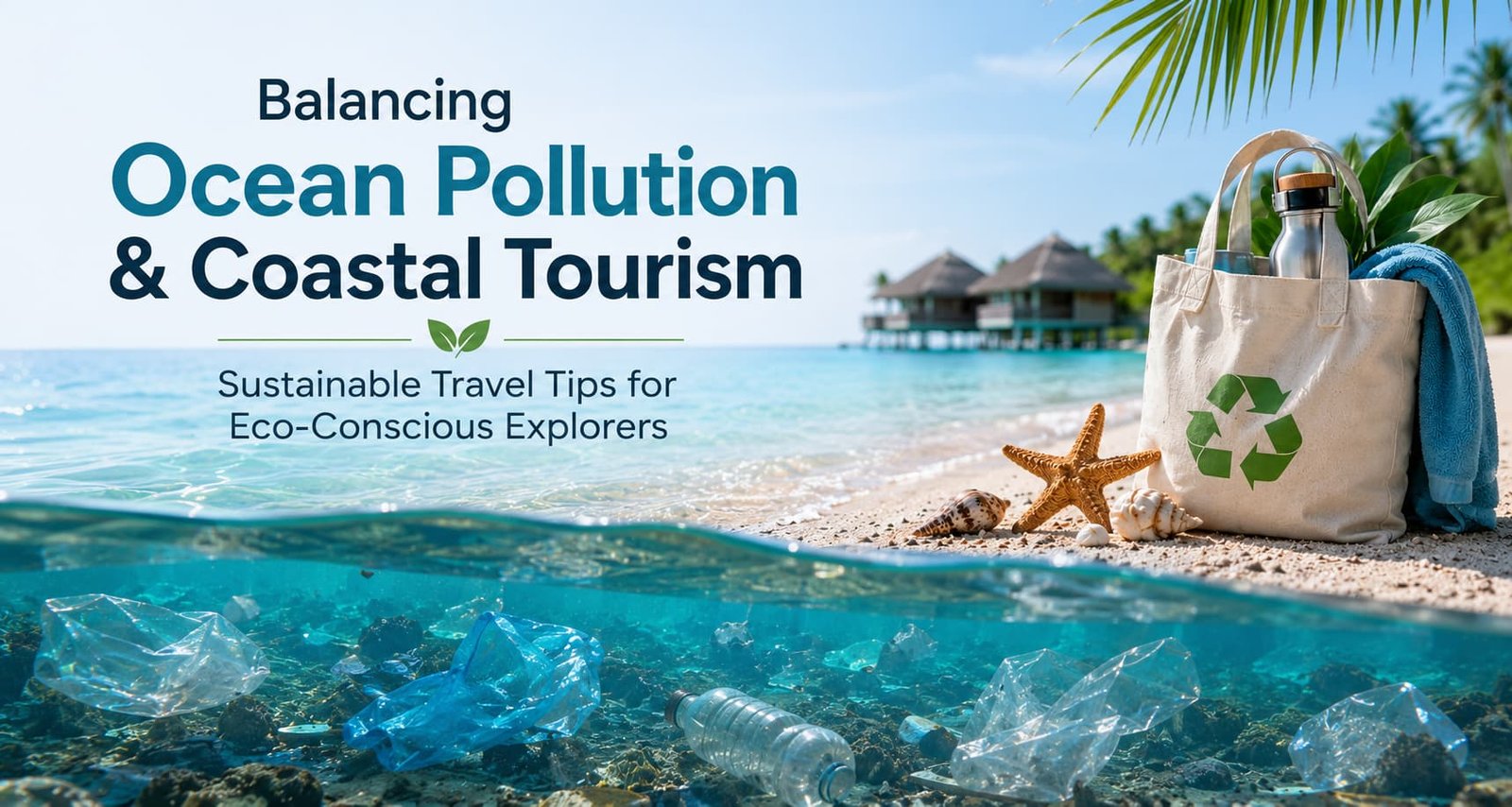
The world’s coastlines are among the most beautiful and visited destinations on Earth. From the crystal-clear lagoons of the Maldives to the golden beaches of Sri Lanka, coastal tourism attracts millions of travelers every year. However, the growing popularity of these destinations has also brought environmental challenges, particularly ocean pollution.
Understanding the relationship between ocean pollution and coastal tourism is essential for travelers who want to explore responsibly while helping preserve the natural beauty of these destinations. By making sustainable choices, visitors can contribute to healthier oceans and more resilient coastal communities.
Understanding the Connection Between Ocean Pollution and Coastal Tourism
Coastal tourism depends heavily on clean beaches, healthy marine ecosystems, and clear ocean waters. Unfortunately, pollution from plastics, untreated waste, and irresponsible tourism practices threatens these valuable natural resources.
When ocean pollution increases, the effects can be seen almost immediately:
- Declining water quality
- Damaged coral reefs
- Harm to marine wildlife
- Reduced visitor satisfaction
- Economic challenges for tourism-dependent communities
The connection between ocean pollution and coastal tourism is therefore direct. Healthy oceans attract travelers, while polluted coastlines can damage a destination’s reputation and long-term sustainability.
Ocean Pollution Challenges in the Maldives
The Maldives is famous for its turquoise waters, luxury resorts, and vibrant marine life. Tourism is the backbone of the country’s economy, making environmental protection a national priority.
However, like many island nations, the Maldives faces several pollution-related challenges:
Plastic Waste
Single-use plastics can enter marine ecosystems through improper disposal. Plastic bottles, bags, and packaging often end up in the ocean, threatening fish, turtles, and seabirds.
Coral Reef Stress
Coral reefs are among the Maldives’ greatest attractions. Pollution, combined with climate-related pressures, can weaken reef systems that support marine biodiversity and tourism activities such as snorkeling and diving.
Marine Debris
Ocean currents can carry debris from distant locations, depositing waste on beaches and within fragile marine habitats.
Protecting the Maldives requires cooperation among government agencies, tourism operators, local communities, and visitors.
Coastal Tourism and Environmental Concerns in Sri Lanka
Sri Lanka offers a diverse coastal experience, featuring surfing beaches, marine parks, whale watching opportunities, and cultural attractions. As tourism continues to grow, environmental management becomes increasingly important.
Several coastal areas face challenges including:
Beach Pollution
Improper waste disposal can affect beach cleanliness and reduce the appeal of popular tourist destinations.
Marine Ecosystem Damage
Careless interactions with marine life and coral habitats can disrupt delicate ecosystems that support local fisheries and tourism industries.
Overcrowding During Peak Seasons
Popular coastal destinations sometimes experience pressure on waste management systems, water resources, and natural habitats.
Addressing these issues helps ensure that Sri Lanka remains an attractive and sustainable destination for future generations.
How Ocean Pollution Impacts Travelers
Many travelers associate coastal vacations with pristine beaches and clear waters. Ocean pollution can significantly affect the overall experience.
Some common impacts include:
Reduced Water Quality
Polluted waters can make swimming, snorkeling, and diving less enjoyable and potentially unsafe.
Declining Marine Biodiversity
Healthy marine ecosystems are a major attraction for visitors. Pollution can reduce sightings of colorful fish, sea turtles, dolphins, and other marine species.
Negative Visual Impact
Littered beaches and floating debris diminish the natural beauty that travelers seek.
Economic Consequences
Destinations affected by pollution may experience reduced tourism revenue, impacting local businesses and communities.
Sustainable Travel Tips for Eco-Conscious Explorers
Travelers can play an important role in reducing the impact of ocean pollution and coastal tourism. Here are practical ways to travel more sustainably.
Reduce Single-Use Plastics
Bring reusable travel essentials such as:
- Water bottles
- Shopping bags
- Food containers
- Reusable straws
Reducing plastic consumption helps prevent waste from reaching oceans and beaches.
Choose Environmentally Responsible Accommodations
Many hotels and resorts now implement sustainability programs that focus on:
- Waste reduction
- Energy conservation
- Water management
- Reef protection
Supporting these businesses encourages responsible tourism practices.
Respect Marine Life
When snorkeling or diving:
- Avoid touching coral reefs
- Maintain a safe distance from wildlife
- Never feed marine animals
- Follow local environmental guidelines
Responsible behavior helps preserve marine ecosystems for future visitors.
Participate in Beach Cleanups
Many coastal destinations organize community beach cleanup events. Joining one during your trip can be a meaningful way to give back to the environment.
Dispose of Waste Properly
Always use designated waste bins and recycling facilities whenever available. Small actions can collectively make a significant difference.
Support Local Conservation Initiatives
Many organizations in the Maldives and Sri Lanka work to protect marine ecosystems. Travelers can contribute through donations, educational programs, or eco-tourism activities.
Choose Sustainable Water Activities
Select tour operators that prioritize environmental responsibility and follow sustainable marine tourism practices.
The Role of Tourism Businesses
Travel companies, resorts, and tour operators also play a crucial role in addressing ocean pollution and coastal tourism challenges.
Responsible tourism businesses can:
- Reduce plastic use
- Support marine conservation projects
- Educate travelers about environmental protection
- Invest in sustainable infrastructure
- Promote eco-friendly experiences
At Holiday Trip Vista, we believe travel should create positive impacts for both travelers and destinations. Sustainable tourism helps preserve the natural wonders that make coastal destinations special.
Why Sustainable Tourism Matters More Than Ever
As global tourism continues to grow, protecting coastal environments becomes increasingly important. Sustainable tourism ensures that future generations can enjoy the same breathtaking beaches, coral reefs, and marine wildlife that attract travelers today.
The choices made by individual travelers may seem small, but collectively they contribute to meaningful environmental change.
Every reusable bottle carried, every piece of litter properly disposed of, and every responsible tourism provider supported helps strengthen the future of coastal destinations.
The relationship between ocean pollution and coastal tourism is undeniable. Healthy oceans support thriving tourism industries, vibrant marine ecosystems, and local communities across destinations such as the Maldives and Sri Lanka.
By adopting sustainable travel habits, travelers can enjoy unforgettable coastal experiences while helping protect the environments they love to explore. Responsible tourism is not about sacrificing comfort or adventure. It is about making thoughtful choices that preserve paradise for generations to come.
As you plan your next beach getaway with Holiday Trip Vista, remember that every journey offers an opportunity to travel responsibly, support conservation efforts, and contribute to cleaner, healthier oceans.