

Sri Lanka Highlights
History of Sri Lanka
Sri Lanka, often called the “Pearl of the Indian Ocean,” has a history that spans over 2,500 years, blending ancient kingdoms, colonial encounters, and modern independence. Its story is filled with cultural achievements, spiritual traditions, and a unique identity that continues to attract travelers worldwide.
Early Settlements and Buddhism: Archaeological evidence shows that Sri Lanka was inhabited as early as prehistoric times. By the 6th century BCE, Indo-Aryan settlers from North India, led by Prince Vijaya, established the island’s first known kingdom.
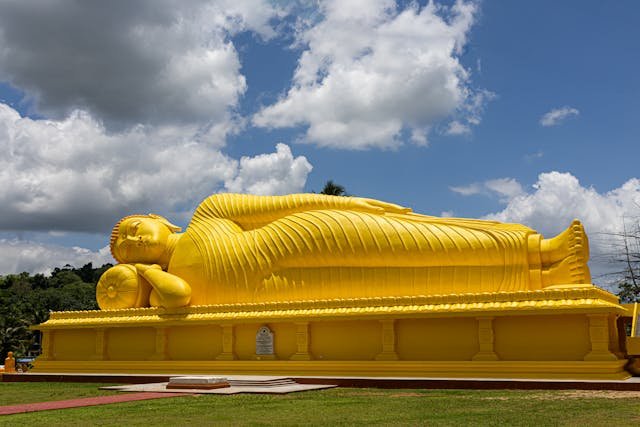
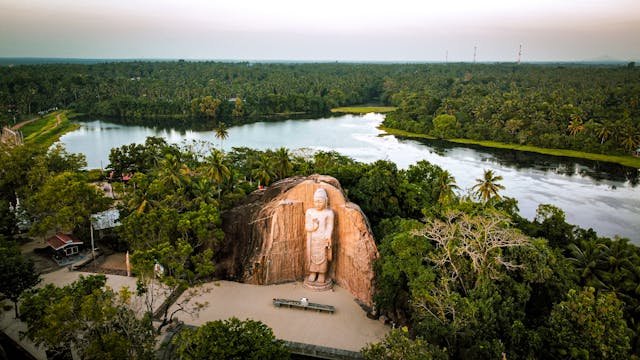
In 247 BCE, Buddhism was introduced by Arahat Mahinda, the son of Emperor Ashoka of India. This marked a turning point, making Buddhism the cornerstone of Sri Lankan culture, art, and governance. Many of Sri Lanka’s greatest architectural wonders, such as the stupas of Anuradhapura and Sigiriya Rock Fortress, reflect this Buddhist influence.
Colonial Era: Sri Lanka’s location along major Indian Ocean trade routes attracted Portuguese, Dutch, and British powers from the 16th century onward.
- Portuguese (1505–1658): Controlled coastal areas, introducing Catholicism and European fortifications.
- Dutch (1658–1796): Expanded trade, especially in cinnamon, and left behind canals and colonial architecture.
- British (1796–1948): Unified the island as Ceylon, developed tea, rubber, and coconut plantations, and built railways still in use today.
Independence and Republic: On February 4, 1948, Sri Lanka gained independence from British rule. The country became a republic in 1972 and adopted the name Sri Lanka.
Though the nation faced decades of internal conflict, particularly the civil war from 1983 to 2009, it has since emerged as a peaceful, rapidly developing country and a beloved travel destination.
Sri Lankan Culture
Sri Lanka’s culture reflects a mix of Buddhist, Hindu, Islamic, and Christian traditions, shaped by both South Asian heritage and European colonial influence.
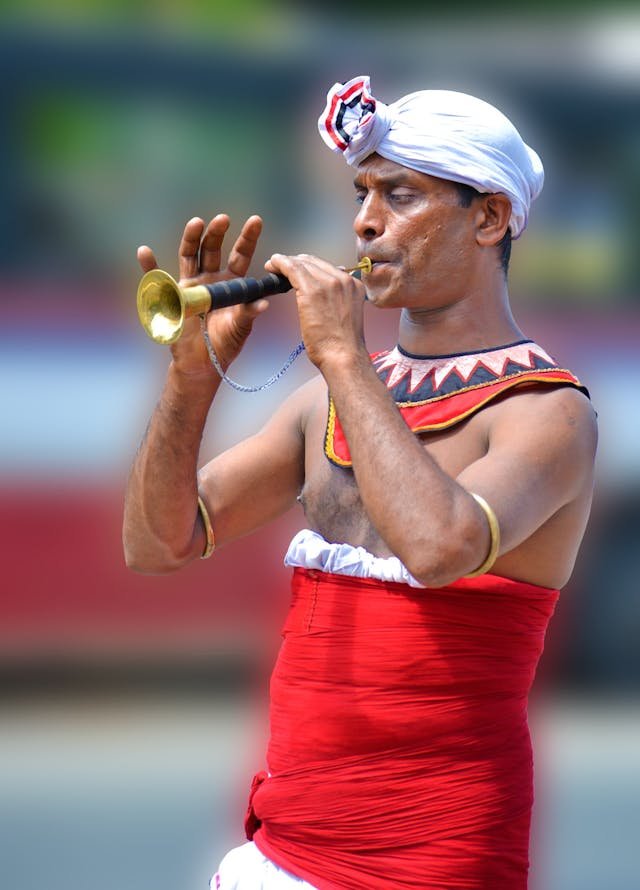
- Art & Dance: Classical Kandyan dance, colorful masks, and traditional drumming are key parts of festivals and rituals.
- Festivals: Major celebrations include Vesak (Buddha’s birth, enlightenment, and death), Sinhala and Tamil New Year, and Hindu festivals like Thai Pongal.
- Clothing: Traditional attire includes the saree for women and the sarong for men, though modern Western clothing is common in daily life.
Language
Sri Lanka has two official languages: Sinhala (spoken by the majority) and Tamil. English is also widely used in business, education, and tourism, making travel convenient for visitors.
Cuisine
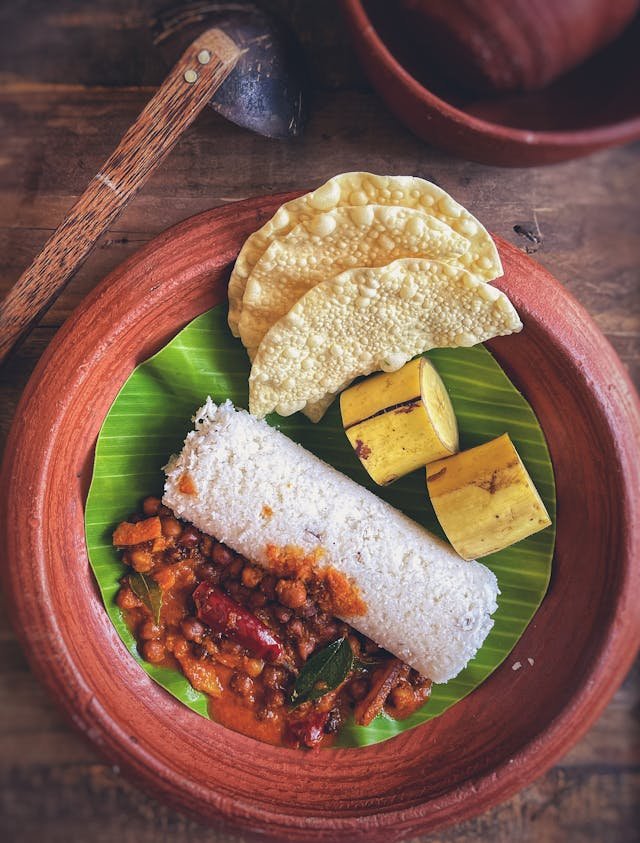
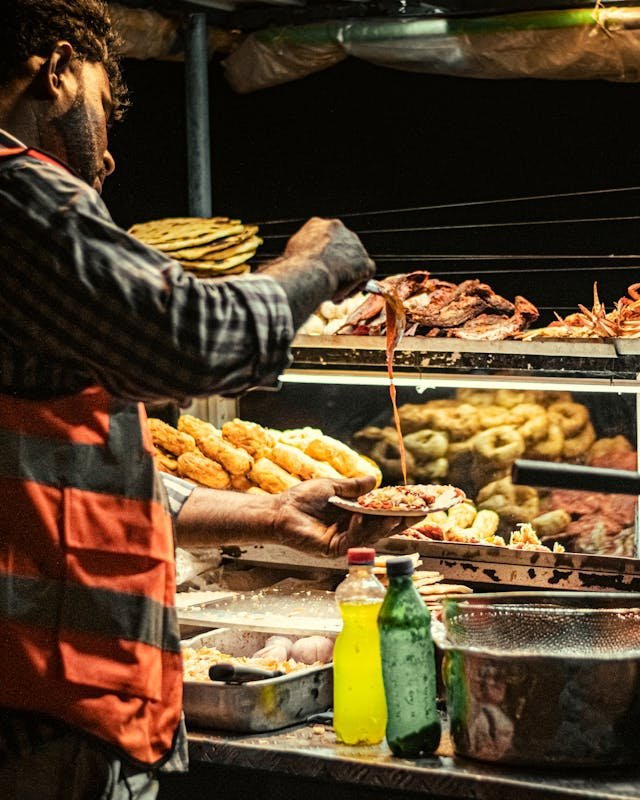
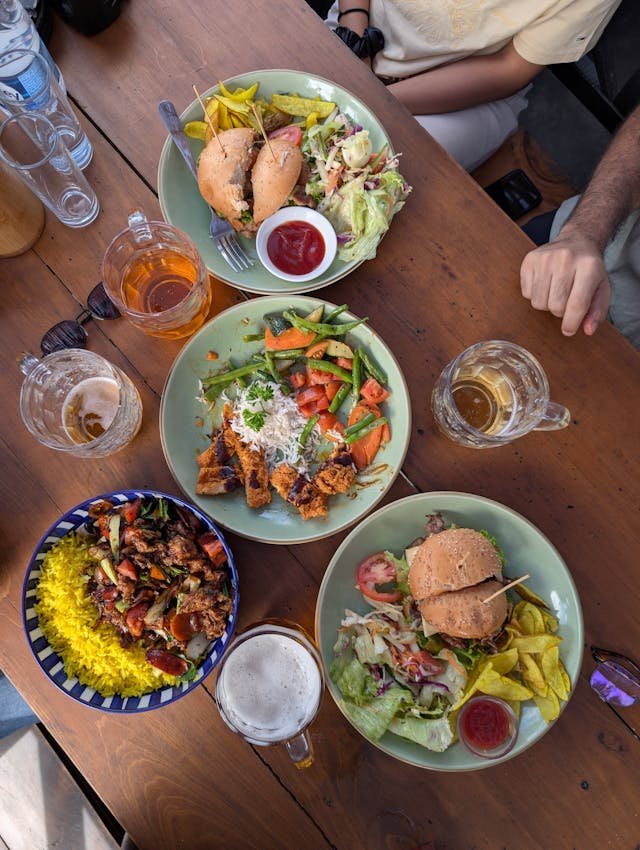
Sri Lankan cuisine is famous for its bold spices, coconut-based curries, and rice dishes.
- Staples include rice and curry, often served with lentils, vegetables, and fish.
- Specialties include hoppers (appa), kottu roti, and seafood dishes flavored with cinnamon and chili.
- Tea lovers will find Sri Lanka’s Ceylon tea world-renowned, thanks to its lush hill country plantations.
Climate & Seasons
Sri Lanka has a tropical climate influenced by two monsoon seasons:
- Southwest Monsoon (May–September): Affects the southwest coast and hill country.
- Northeast Monsoon (December–February): Affects the north and east.
With temperatures averaging 26°C – 30°C, the country is a year-round destination, though the best time to visit depends on the region.
Travel & Entry
- Visa: Most travelers require an Electronic Travel Authorization (ETA), easily applied for online.
- Airports: The main gateway is Bandaranaike International Airport near Colombo, with regional airports serving domestic flights.
- Transport: Trains, buses, and private drivers are popular ways to explore, especially scenic train routes like Colombo to Kandy to Ella.
Laws & Customs
As a multicultural nation, Sri Lanka’s laws are shaped by Buddhist, Hindu, and Islamic traditions.
- Dress modestly, especially when visiting temples (cover shoulders and knees, remove shoes and hats).
- Photography near government buildings and military sites is restricted.
- Drugs are illegal, with strict penalties.
- Respect local traditions—avoid public displays of affection in conservative areas.
Things to Do in Sri Lanka
- Explore Ancient Cities – Visit UNESCO sites like Anuradhapura, Polonnaruwa, and Sigiriya.
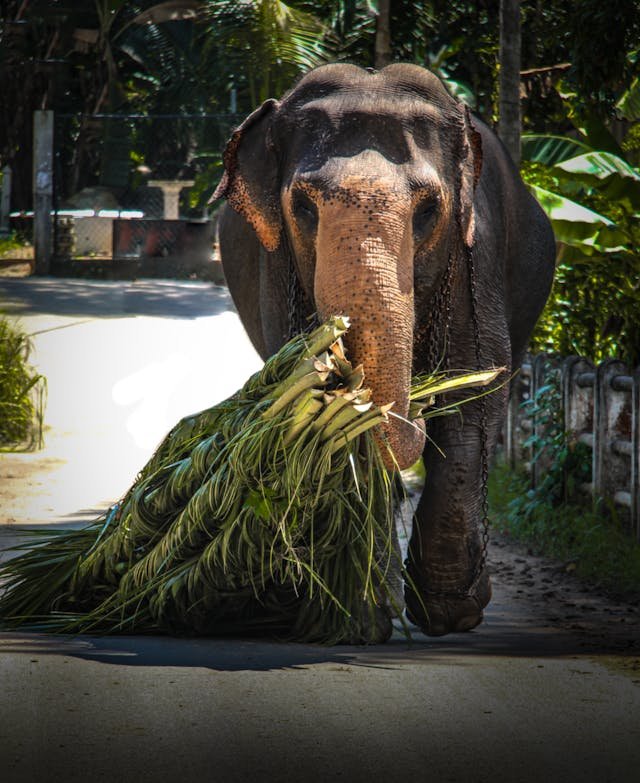
- Safari Adventures – Spot elephants, leopards, and exotic birds in Yala and Udawalawe National Parks.
- Tea Country Escapes – Tour lush plantations in Nuwara Eliya and sip world-famous Ceylon tea.
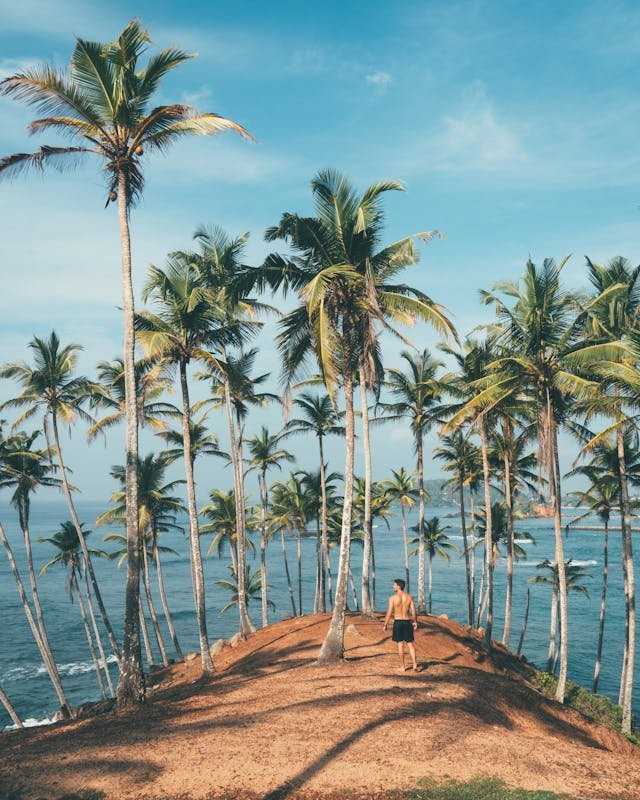
- Coastal Bliss – Relax on golden beaches in Bentota, Mirissa, and Trincomalee.
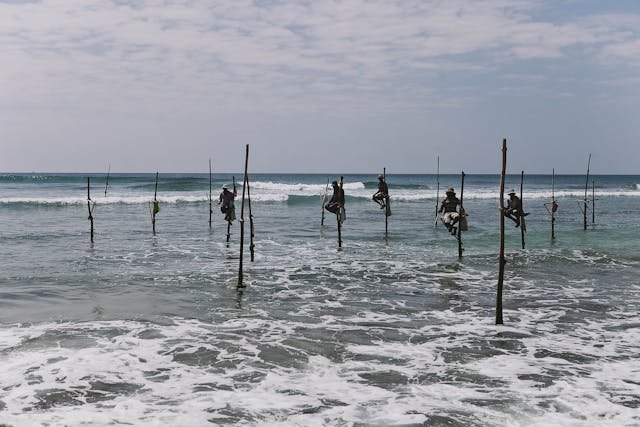
- Cultural Immersion – Witness vibrant festivals, traditional dance performances, and local crafts.
Sri Lanka’s history is a story of resilience, diversity, and timeless beauty. From its ancient Buddhist kingdoms and colonial legacies to its modern-day cultural richness, the island offers travelers a unique journey through the past and present—all set against a backdrop of breathtaking landscapes.