Maldives at a Glance
History of Maldives
The Maldives, a breathtaking archipelago of over 1,000 islands in the Indian Ocean, holds a history as captivating as its turquoise waters. Its story spans from ancient settlers and powerful sultanates to European colonization and eventual independence, shaping the vibrant nation we know today.
Early Settlers and Buddhist Roots: The earliest records trace Maldivian history back to the 2nd century BCE, with the first settlers believed to be Dravidian and Indo-Aryan people from neighboring regions such as India and Sri Lanka. Initially, the Maldives practiced Buddhism, which greatly influenced its art, culture, and architecture for centuries.
Embrace of Islam: In 1153 CE, the Maldives became one of the first countries in the region to adopt Islam, a defining moment that still shapes Maldivian identity today. The conversion marked the beginning of the Islamic Sultanate era, which flourished for hundreds of years.
Colonial Struggles and Resistance: The Maldives attracted European interest in the 16th century, largely due to its strategic location and trade goods like cowry shells and ambergris. The Portuguese attempted to dominate the islands but faced fierce resistance. Sultan Ali VI and later the legendary Mohamed Thakurufaanu fought bravely to repel the invaders, ensuring Maldivians preserved their faith and independence.
British Protectorate and Independence: By the late 19th century, the Maldives became a British Protectorate (1887), retaining internal sovereignty while Britain managed defense and foreign relations. On July 26, 1965, the Maldives officially gained independence. Three years later, it declared itself a republic with Ibrahim Nasir as the first president.
Today, the Maldives is a proud member of the UN, SAARC, the Commonwealth, and other global organizations, while continuing to thrive as a world-renowned travel destination.
Maldivian Culture
The culture of the Maldives is a unique blend of South Asian, African, and Middle Eastern influences.
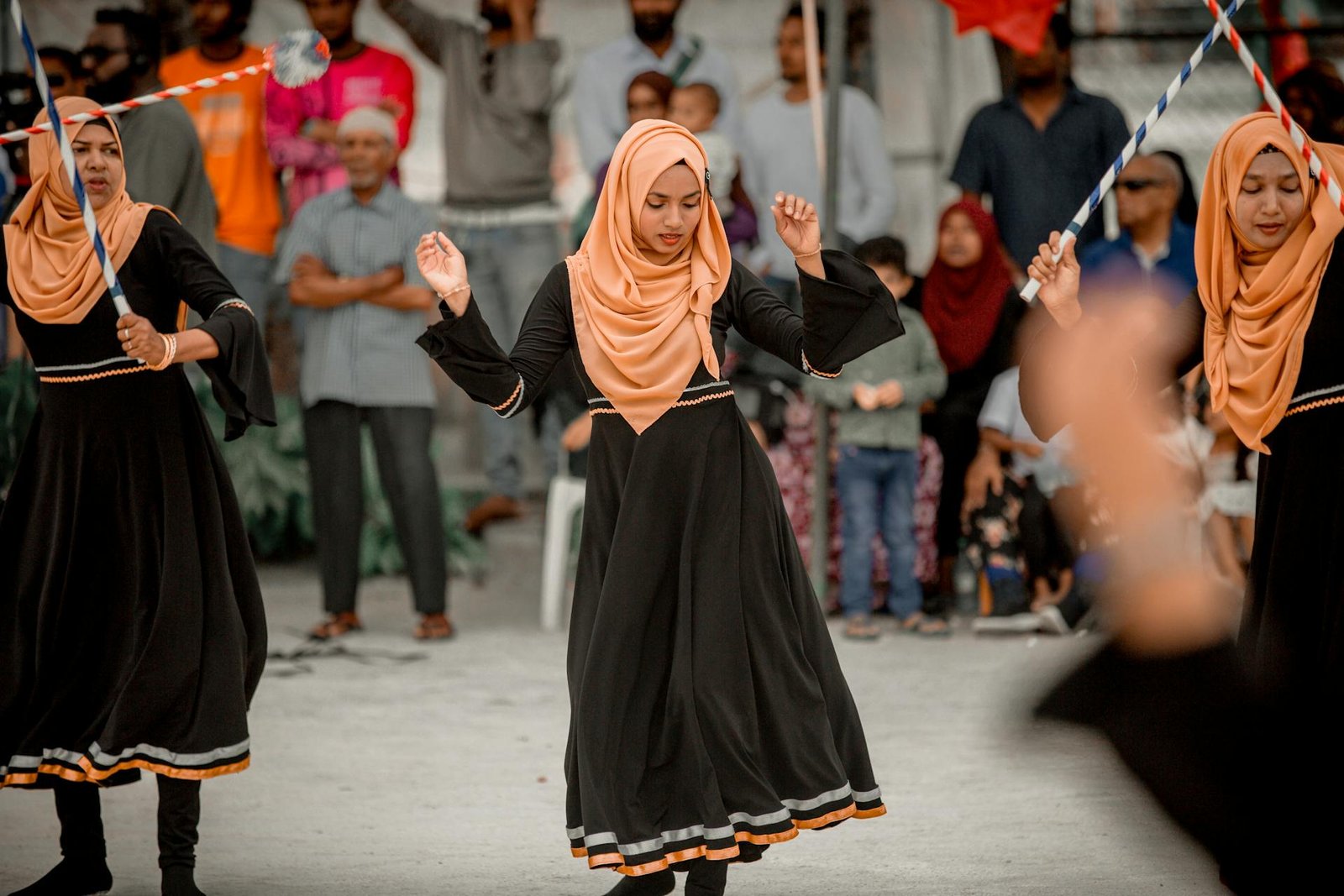
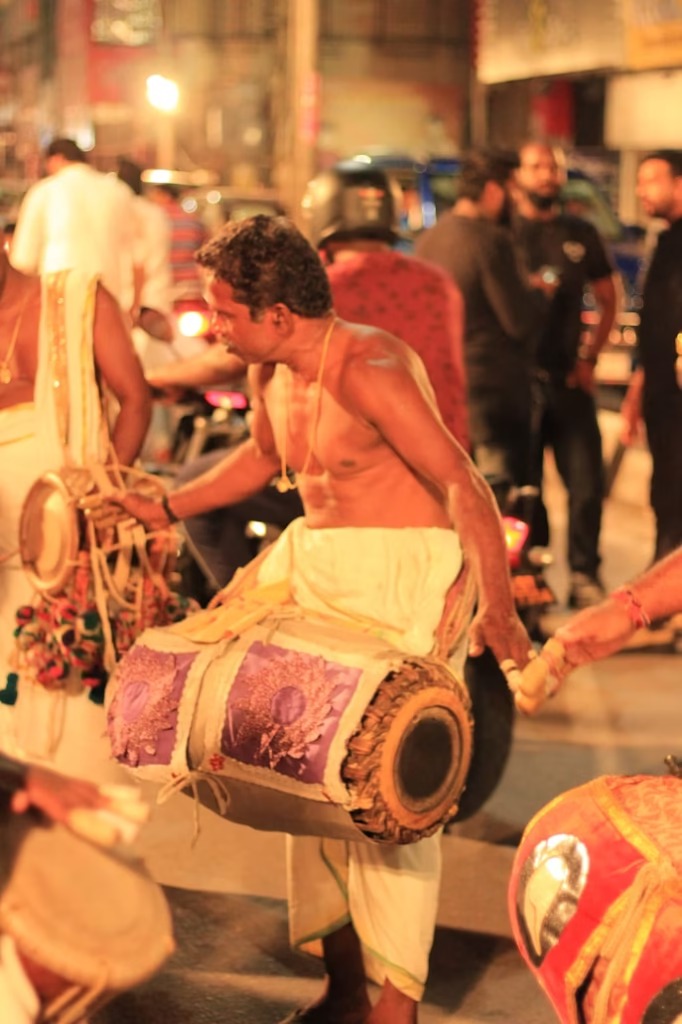
- Traditions & Music: The rhythmic “Boduberu” drumming and chanting showcase African roots, while Buddhist and Hindu influences are seen in archaeological remains.
- Clothing: Men traditionally wear a mundu, while women adorn the colorful libaas, especially during cultural events.
- Equality: Unlike many societies influenced by South Asian traditions, Maldivian culture historically values gender equality, giving women an active role in society.
Language
The official language is Dhivehi, though English is widely spoken, especially in resorts and tourist hubs. Guest relation officers often speak multiple languages like Italian, Arabic, and Chinese to serve international visitors.
Cuisine
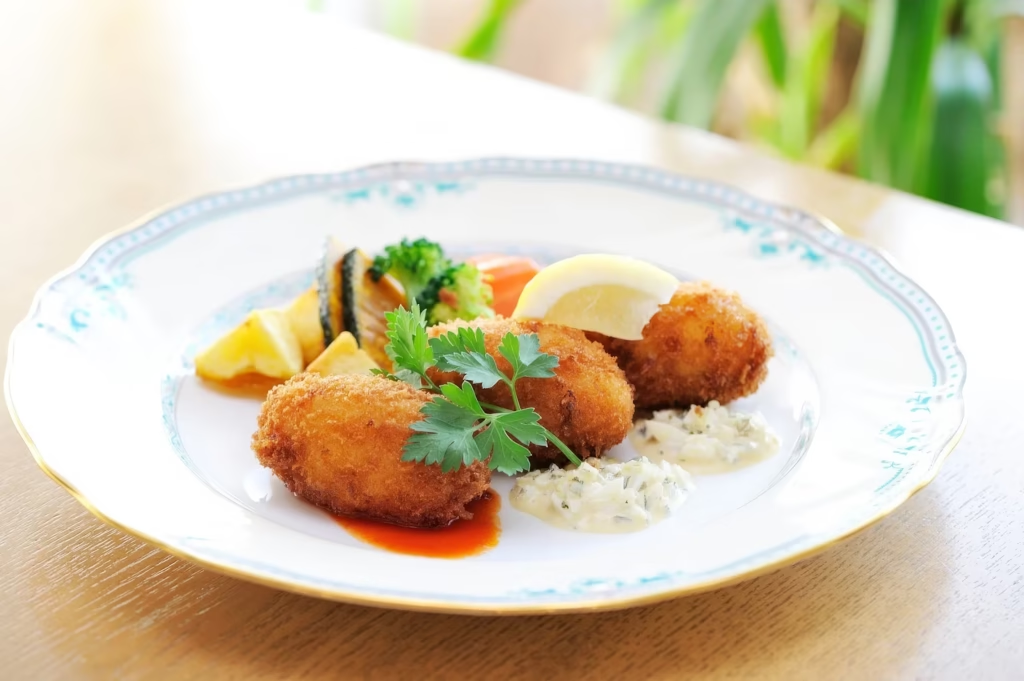
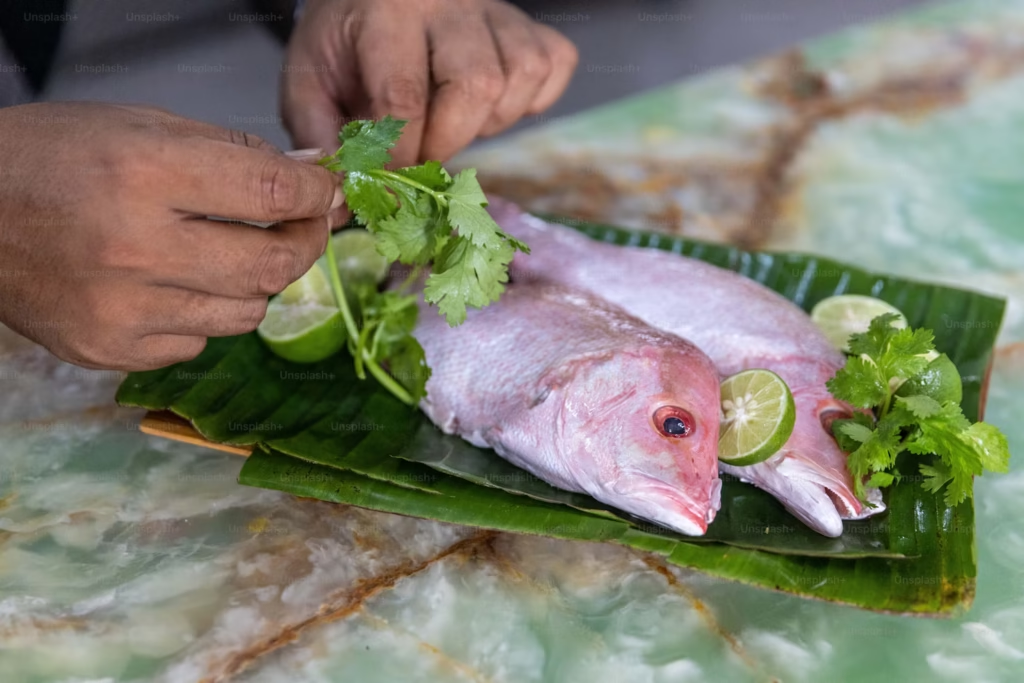
Maldivian cuisine reflects a fusion of South Asian spices, Middle Eastern flavors, and African touches. With seafood at its core, dishes like mas huni (tuna with coconut and onion) and garudiya (fish soup) are local favorites. Resorts also incorporate international cuisines to cater to global travelers.
Climate & Seasons
The Maldives experiences two main monsoon seasons:
- Iruvai (Northeast Monsoon): December to April, dry and sunny – perfect for beach holidays.
- Hulhangu (Southwest Monsoon): May to September, wetter and windier, with rougher seas.
Transitional months (April and November) bring mixed weather. With warm water temperatures averaging 27°C – 30°C, the Maldives is an all-year-round diving paradise.
Travel & Entry
- Visa: Tourists of all nationalities receive a 30-day visa on arrival (with conditions like confirmed return tickets and hotel booking).
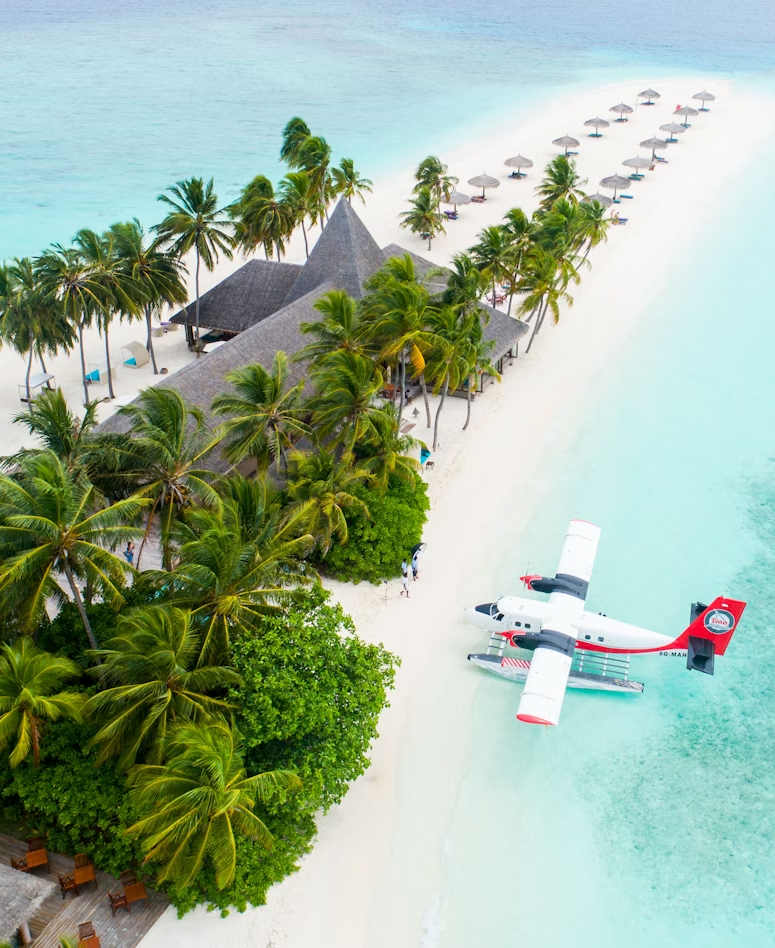
- Transfers: Resorts arrange transfers from Velana International Airport via seaplane, speedboat, or domestic flights.
- Requirements: A valid passport, travel itinerary, and proof of funds are essential. A Traveler Declaration via IMUGA must be submitted within 96 hours of arrival.
Laws & Customs
As an Islamic nation, Maldives upholds customs influenced by Sharia law. Visitors should respect local traditions, especially on inhabited islands:
- Alcohol and pork are only available on licensed resort islands.
- Drugs, firearms, pornography, and idols of worship are strictly prohibited.
- Dress modestly when visiting local communities.
- Public displays of affection are discouraged outside resorts.
Things to Do in Maldives
- Snorkeling & Diving – Discover coral reefs, manta rays, and whale sharks.
- Island Hopping – Explore both resort islands and local fishing villages.
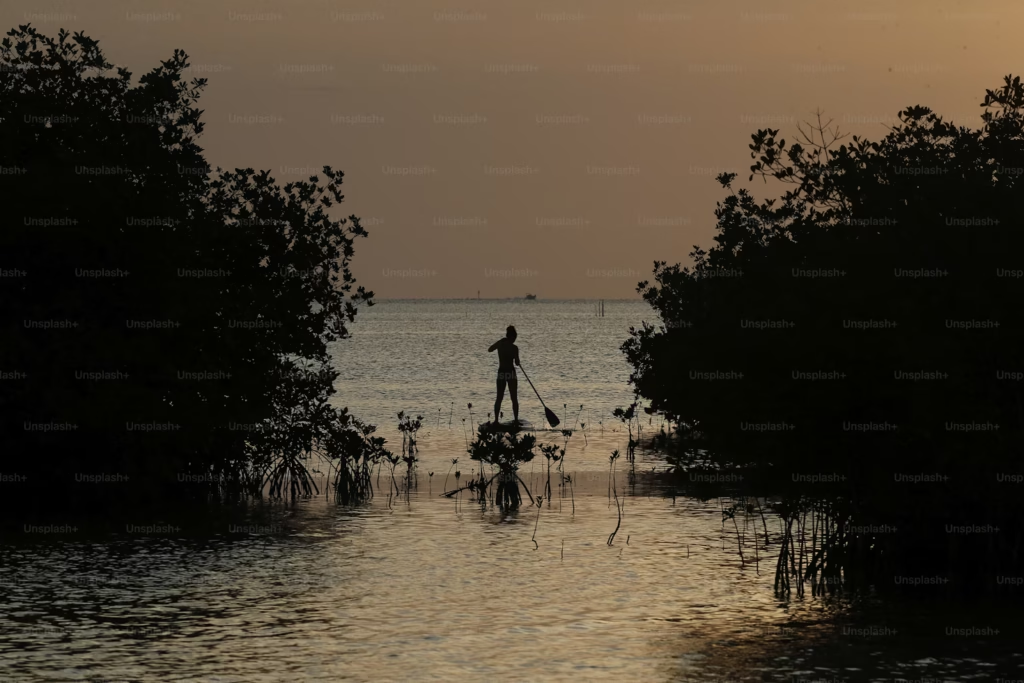
- Water Sports – Jet skiing, kayaking, surfing, and paddle boarding.
- Luxury Escapes – Stay in overwater villas, enjoy spa retreats, and fine dining.
- Cultural Excursions – Visit Malé’s Islamic Centre, heritage sites, and local festivals.
The Maldives is more than a holiday destination—it’s a place where history, culture, and natural beauty blend seamlessly. From its ancient Buddhist past to its Islamic traditions and modern-day luxury resorts, the Maldives offers a story as fascinating as its turquoise seas.